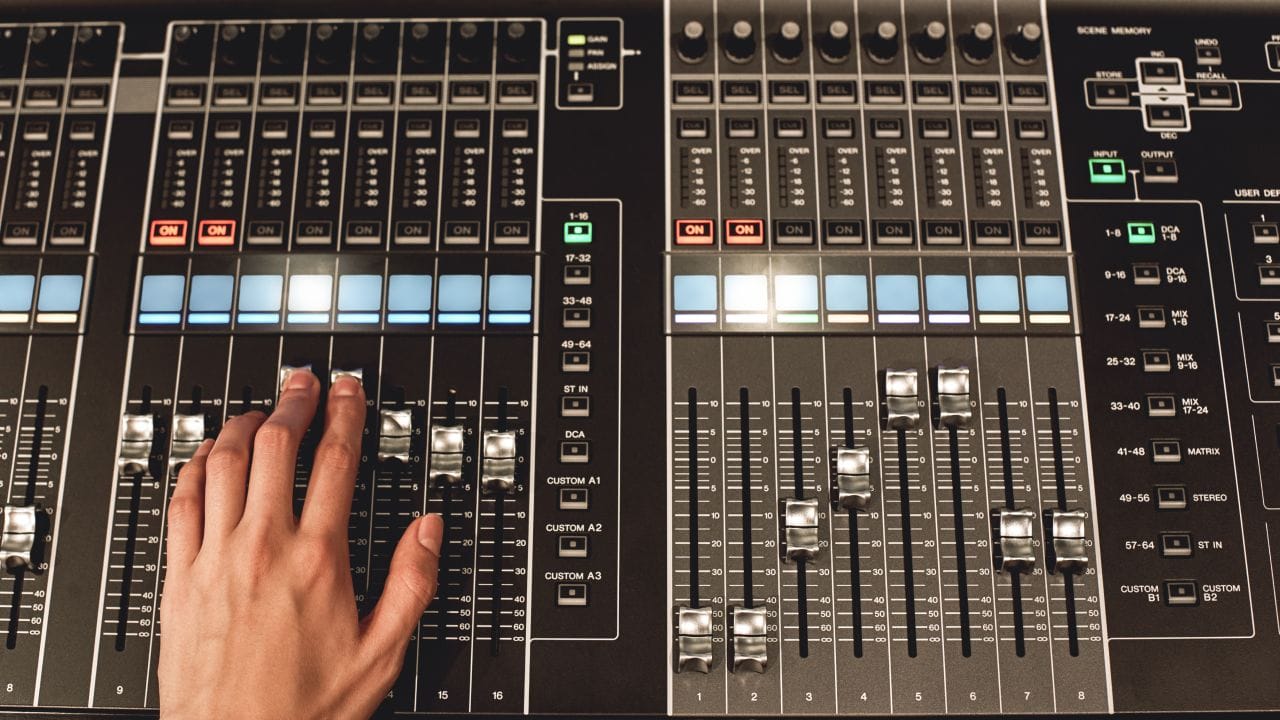
Mastering and mixing have often been used interchangeably in the past, but it has in recent years become much more apparent how different they really are. While they have similar attributes to one another, they play very different roles and are both important in their own regard. So what's the difference between mastering and mixing? Below we will outline each process in their simplest forms.
What is Mixing?
Mixing is the start of the post-production process. Once you have written, recorded, and produced your music, it is then time to mix! A mixing engineer will balance the separate tracks within the session to sound pleasant and cohesive when played together. They reduce the clashing between instruments, vocals, and different song elements.
One mix will also have several different tracks, between the different instrumental layers, harmonies, etc, one session can easily contain 30+ tracks. Generally speaking, most mixing engineers start their process by organizing and labelling each component, i.e. putting all drum tracks in the same color and area of your workspace, synths, and so forth.
While mixing, a lot of adjustments are happening to each section to hone in and create the desired sound. Mixing is about creating a balance between every aspect of your song, whether it be through volume, frequency, placement, or dynamics. This process is about enhancing an artist's vision and making sure the original intent of the song shines through. Sometimes there are several mixes before both artist and producer are ready for the song to move along to mastering.
What is Mastering?
When the mix is finished, it is ready to shift gears into mastering. Mastering is the final step in the production process, the last step your music receives before heading towards distribution.
Mastering engineers are also looking to achieve an overall balance, but unlike with the mix, they are looking to do so on a broader spectrum across the song as a whole and throughout the entire album.
The point of mastering is to polish the mix to its best possible sound, and to make your song/s sound like other professional songs heard on streaming platforms, the radio, in movies, etc. They aim to make the track louder, sound better, and more compatible with varying kinds of speakers, generally adjusting things like EQ, compression, limiting, and stereo enhancement.
A mastering engineer is the last person in the creative process to catch mistakes, change the way something sounds, and add final touches. If there is a sound that shouldn’t be there (whether that be traffic from outside, a conversation, and so on) the mastering engineer needs to be extremely attentive and highly focused to catch those small but vital errors. It is helpful to have someone else master your project, as it is easier for them to catch mistakes or hear unwanted sounds because they haven’t been mixing the song for hours on end.
Mastering and Mixing Online
To those who are new to the audio world, mastering and mixing can feel overwhelming or less accessible than recording or production, but rest assured with today’s technological advances you can both mix and master online! Not only is it much more accessible, but it is also more affordable than you may think.
With Moises, both are available to you. This platform allows you to mix the tempo, tone, loudness, and speed with the help of Artificial Intelligence.
Not only that but the AI mastering engine gives you a professional sound instantaneously without having to pay the high-cost studio fees. Whether on social media or a streaming service, Moises gives you a top-quality sound so you can take your recording to the next level.
Tip! See step by step how to master your music in Moises here!
So let’s review…
- Mixing focuses and creates a balance on the smaller, individual scale. Whereas mastering takes that entire mix to polish it off. So theoretically you could mix without mastering, but you couldn’t master without mixing.
- Mix engineers have several tracks and access to every instrument, mastering engineers have one file. Want to tone down that background vocal? Sculpt a kick drum? Mastering engineers can’t go into a project to do so.
- When mixing, a lot of changes are made, some are quite dramatic. Mastering focuses more on subtlety and broad strokes that affect the entire song.
- Mixing is about the artist’s vision coming to life, mastering on the other hand is more directed towards sound quality and general cohesiveness.
- Mixing creates balance through volume, frequency, placement, or dynamics. Mastering creates balance through EQ, compression, limiting, and stereo enhancement.
We hope this article has clearly outlined for you the key differences between mixing and mastering and given you a firmer grasp of what is going on behind the post-production scenes. Both are very important and should be done separately, this way, you can ensure your music is reaching its highest potential.
Do you still have any questions about the difference between mastering and mixing? Leave a comment below and let us know!
Image: Unsplash (James Owen)