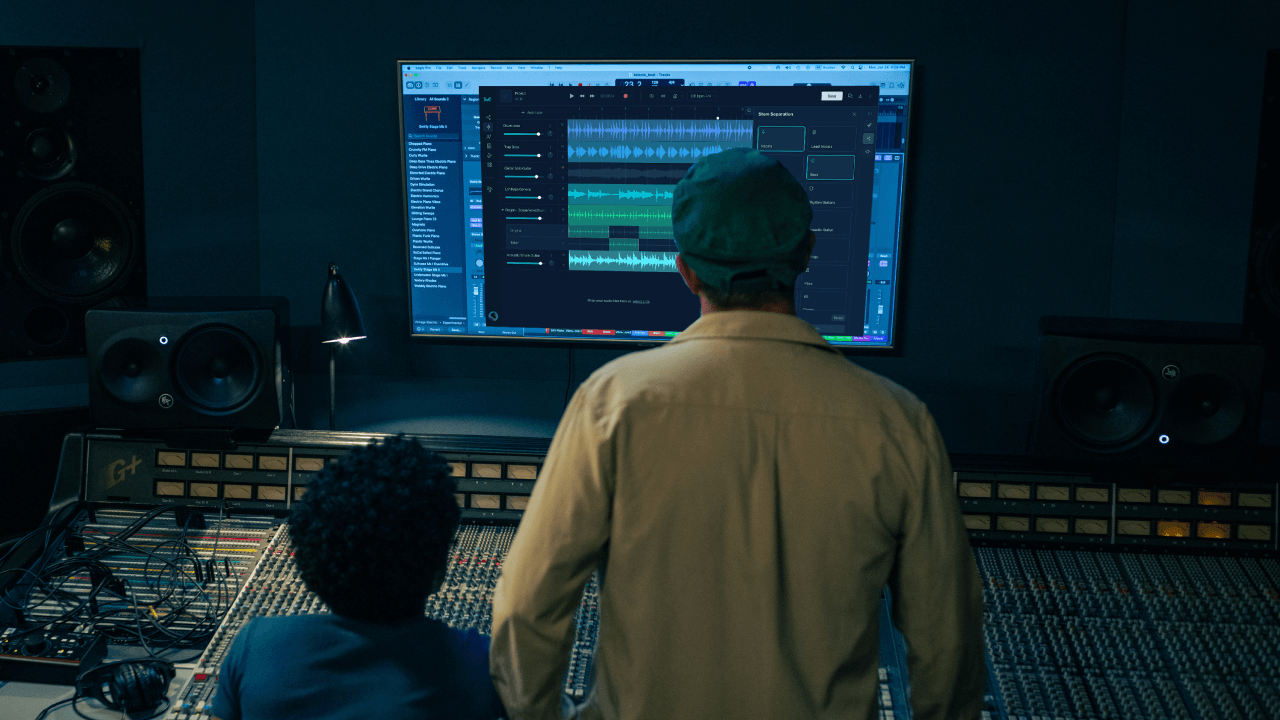
Audio mastering is the final, critical step that polishes music before it’s released. When done properly, it brings out the best in a mix and ensures that your music translates well across several listening environments, maintaining a professional standard.
However, mastering is often misunderstood. Myths about this process have spread over time, and it can be hard to distinguish between the truth and the misconceptions.
This article will debunk 12 common myths about audio mastering to provide a clearer understanding of this essential phase in music production.
The essence of audio mastering
Mastering is all about enhancing a finished mix to ensure consistent playback across various systems, from car stereos to high-end headphones. It’s the bridge between your music and your audience, refining the overall sound for a seamless listening experience.
During audio mastering, subtle but crucial adjustments are made—like tweaking EQ, compression, and stereo enhancement—to refine audio quality. The goal is not just to meet industry standards, but to captivate listeners with a balanced and polished sound.
Understanding the true goal of mastering
This post-production process goes way beyond simple aspects such as adjusting loudness. It’s about refining dynamic range to ensure the final mix delivers impact without overwhelming listeners or introducing unwanted distortion. It fine-tunes the stereo mixdown, enhancing clarity and ensuring each element finds its place within the mix.
Mastering also ensures that the sound quality is consistent, allowing your track to stand up next to commercial releases. This stage gives your music the final touches it needs to go from sounding good to sounding exceptional.
How mastering fits into the audio production chain
Mastering is the last, essential step in the audio production workflow, enhancing the final mix to make it suitable for various playback devices. This step requires not only technical expertise, but a finely tuned ear to understand how the track will sound on different systems.
It transforms your artistic vision into a polished product that resonates with listeners, bridging the gap between your creative process and the audience.
12 myths debunked
Let’s dismantle some misconceptions about mastering that often cloud our understanding. Each myth busted here aims to equip you with the knowledge to make informed decisions about your music’s final sound.
Myth #1: Mastering can fully save a bad mix
A common belief is that mastering can magically transform a poor mix into a masterpiece. The truth is that mastering enhances what’s already there; it’s not a cure-all for problems rooted in the audio mixing stage.
Issues like poor balance between individual instruments or muddled frequencies must be resolved during mixing, not in the mastering studio. Mastering is the final polish, not a complete overhaul.
Myth #2: There is one right way to master
Every song is unique, and so should be your mastering approach. There’s no one-size-fits-all formula, and the best mastering engineers know this well.
Each track demands a tailored approach that considers the genre, the artist’s vision, and the intended listening experience. A powerful dance track, for instance, will require a different touch than a delicate acoustic ballad.
Myth #3: Loudness is everything
While achieving competitive loudness is a key aspect of mastering, overemphasizing it can compromise dynamic range and overall sound quality.
The “loudness war” has taught the music industry that pushing levels too high can result in listener fatigue and a distorted listening experience. The best mastering balances loudness with the natural dynamics of the track, ensuring that the music remains engaging and vibrant.
Myth #4: Stem mastering is the same as mixing
Though both involve manipulating audio tracks, stem mastering and mixing serve distinct purposes:
- Mixing combines individual instruments into a coherent stereo mixdown, adjusting panning, EQ, compression, and reverb to achieve a balanced result;
- Stem mastering works with grouped tracks (like drums or vocals) to fine-tune the mix, offering additional control but not to the extent of the mixing stage.
Myth #5: More compression equals better sound
Compression is a powerful tool in the mastering process, but more isn’t always better. Over-compression can squash a track’s natural dynamics, making it sound flat and lifeless. The key is to use compression strategically, enhancing the overall sound without compromising the music’s natural ebb and flow.
Myth #6: One master is enough for all formats
Different playback formats—whether vinyl, CD, or digital streaming—have unique technical requirements. For example, vinyl mastering must account for physical limitations like groove spacing, while digital platforms may have specific loudness standards.
A one-size-fits-all master might sound great on an MP3, but could lead to playback issues on a vinyl record. Tailoring your master to each medium ensures optimal audio quality across all platforms.
Myth #7: Mastering presets work for every song
It is true that mastering presets can be useful starting points. However, every song has its own character. Applying a preset without adjustments may lead to imbalances, particularly in frequency balance and dynamic range. Custom adjustments are crucial for achieving the best sound for each track.
Myth #8: EQ adjustments in mastering can fix all tonal issues
Equalization (EQ) is an essential tool in mastering, but it’s not a panacea. Large tonal imbalances should be corrected during mixing. In mastering, EQ is used for subtle adjustments to enhance clarity and correct minor issues in the overall sound, not to compensate for a poor mix.
Myth #9: Mastering is unnecessary if you’ve mixed well
Even the best mixes can benefit from the mastering process. It’s not about fixing errors; it’s about enhancing the overall sound to ensure consistent playback across various systems. Mastering adds the final layer of polish that elevates a good mix to professional quality, making it more engaging and impactful.
Myth #10: Only analog gear can produce high-quality mastering
While analog gear offers a distinct sound character, digital mastering tools are equally capable of delivering high-quality results. Modern DAWs and plugins provide precision, flexibility, and a level of control that analog gear can’t always match.
Myth #11: Mastering is just for professionals
While the best results often come from experienced mastering engineers, advancements in technology have made mastering more accessible than ever. Online mastering apps and tools allow independent artists to achieve professional sound without a massive budget. Additionally, learning the basics of mastering can empower artists to take control of their sound.
Myth #12: Mastering is always expensive
The cost of mastering varies widely, but it doesn’t have to break the bank. From budget-friendly mastering studios to AI-driven mastering engines, there are options for every price range. Affordable doesn’t mean low quality, and with the right tools and knowledge, you can achieve great results without spending a fortune.
Final thoughts
Understanding the realities of audio mastering is crucial for any music producer. Mastering is not a magic fix for poor mixing, nor is it solely about loudness or other specific aspects. It’s a nuanced process that requires careful adjustments and a deep understanding—or the right tools, at least.
By debunking these common myths, you’ll be better equipped to navigate the audio mastering process, ensuring your music sounds its best no matter where it’s heard.
Looking for an efficient mastering solution that caters to your needs? Click here to learn about Moises’ AI Mastering!