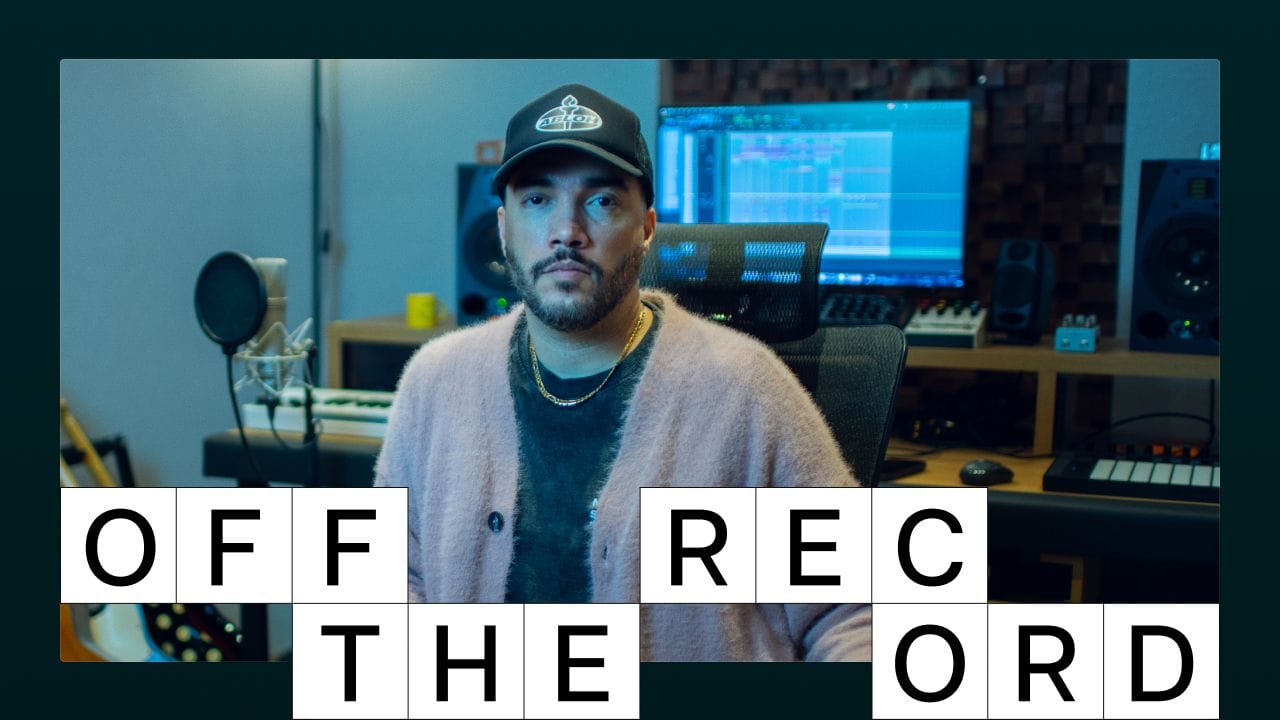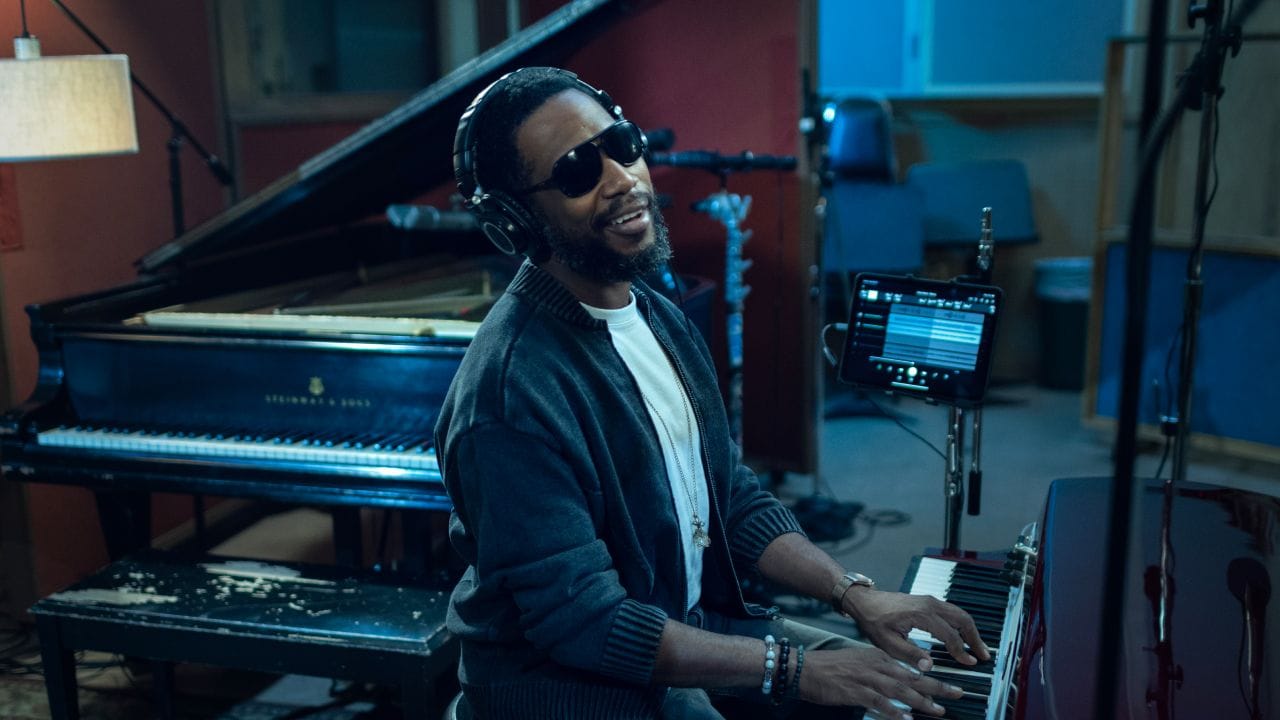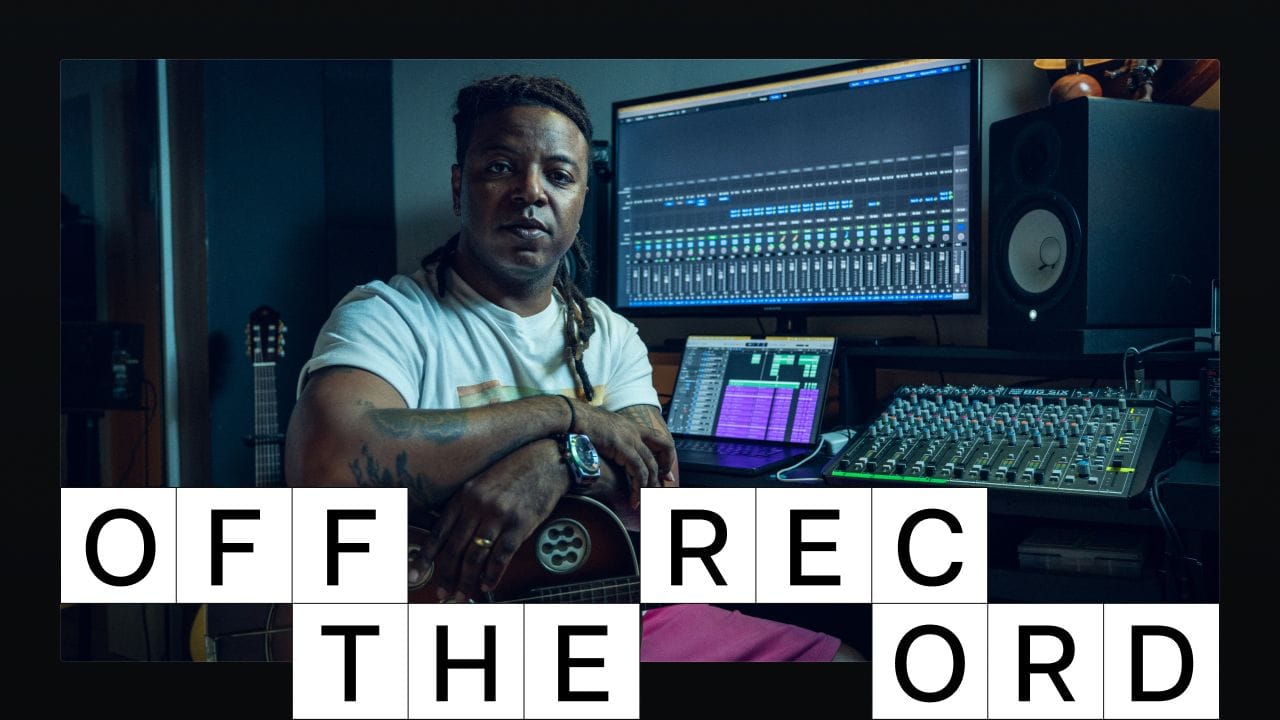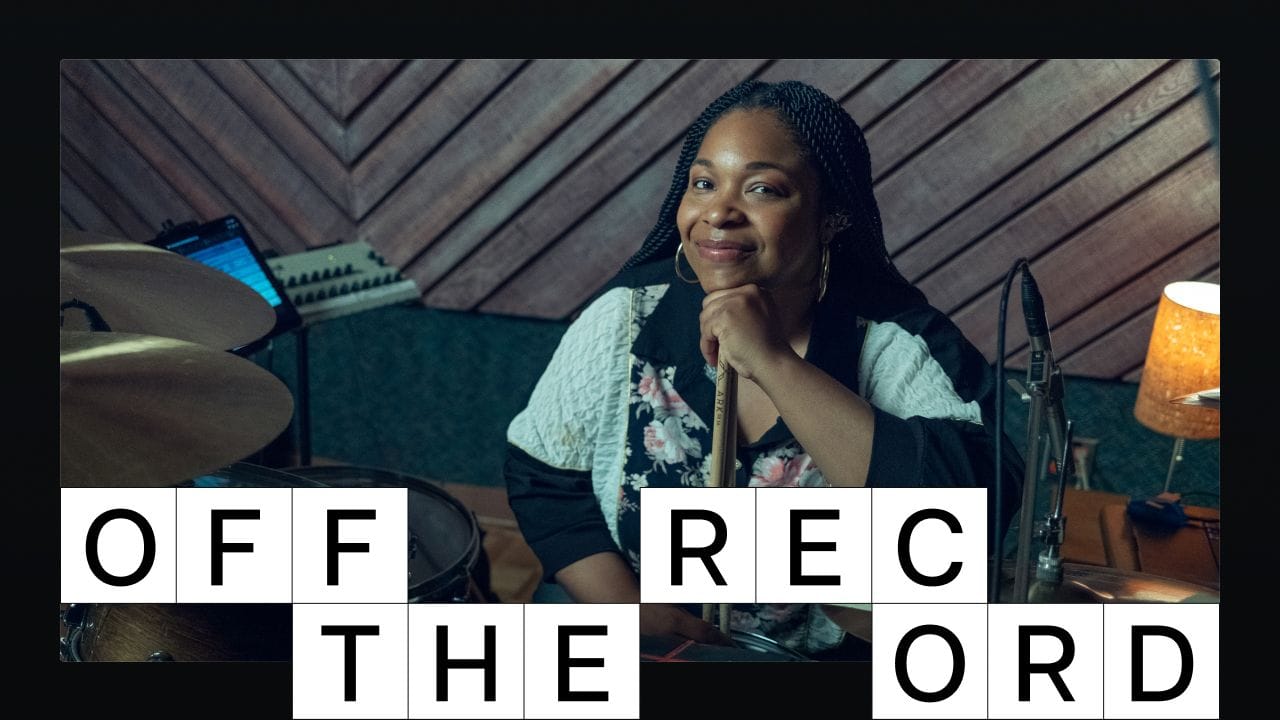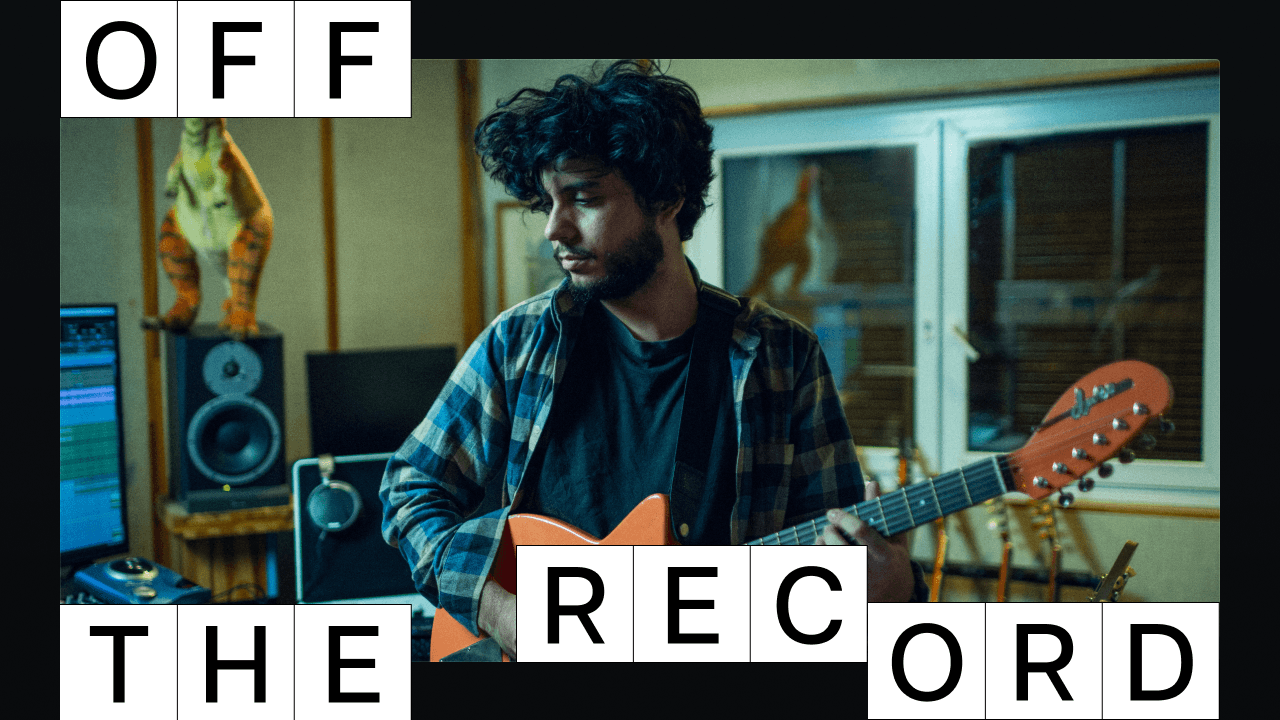

In the Lab kicks off a new Moises Originals series, inviting you inside the creative process of world-class musicians, where technology meets talent and ideas turn into sound. Each episode pulls back the curtain on how artists experiment, evolve, and use Moises to push music forward in real time.
For the premiere, we’re starting with a legend. GRAMMY-winning producer and church-trained pianist Zaytoven, known as the ‘Godfather of Trap,’ steps into the lab to revisit one of his early Atlanta classics and reimagine it using Moises for the first time. It’s a full circle moment that blends legacy, innovation, and the fearless creativity that defines what In the Lab is all about.
From Church Keys to Trap Beats: The Birth of Zaytoven’s Sound
Before the world knew his signature tag or trap piano runs, Zaytoven was just a kid in church, soaking in the rhythm of the choir. His dad preached, his mom led the choir, and Zay sat at the keys learning how to make people feel something. That foundation became his secret weapon.
“When I play something on the piano, I can never replay it the same way,” he says. “So being able to grab that exact take again… that’s perfect for someone like me.”
That spontaneity is what made him stand out in Atlanta’s early 2000s scene. While other producers were chasing polish, Zay was chasing feel. His beats sounded alive, raw, soulful, and unpredictable. They were the soundtrack of hustle culture before it had a name.
His sound wasn’t built in big studios or expensive setups. It came from intuition, collaboration, and an unshakable sense of groove. “I just start making music without a plan. It comes from how I feel,” he says.
That same rawness is what makes his work with Moises so powerful. It’s not about reinventing himself; it’s about amplifying what’s already in his DNA, pure feel.
Flipping an Atlanta Classic Using Moises
For the debut episode of In the Lab, Zaytoven revisits one of his favorite early records with OJ Da Juiceman, Hustlin' N Posted, a slept-on Atlanta gem from his mixtape days. But this time, he’s not remixing it the old way.
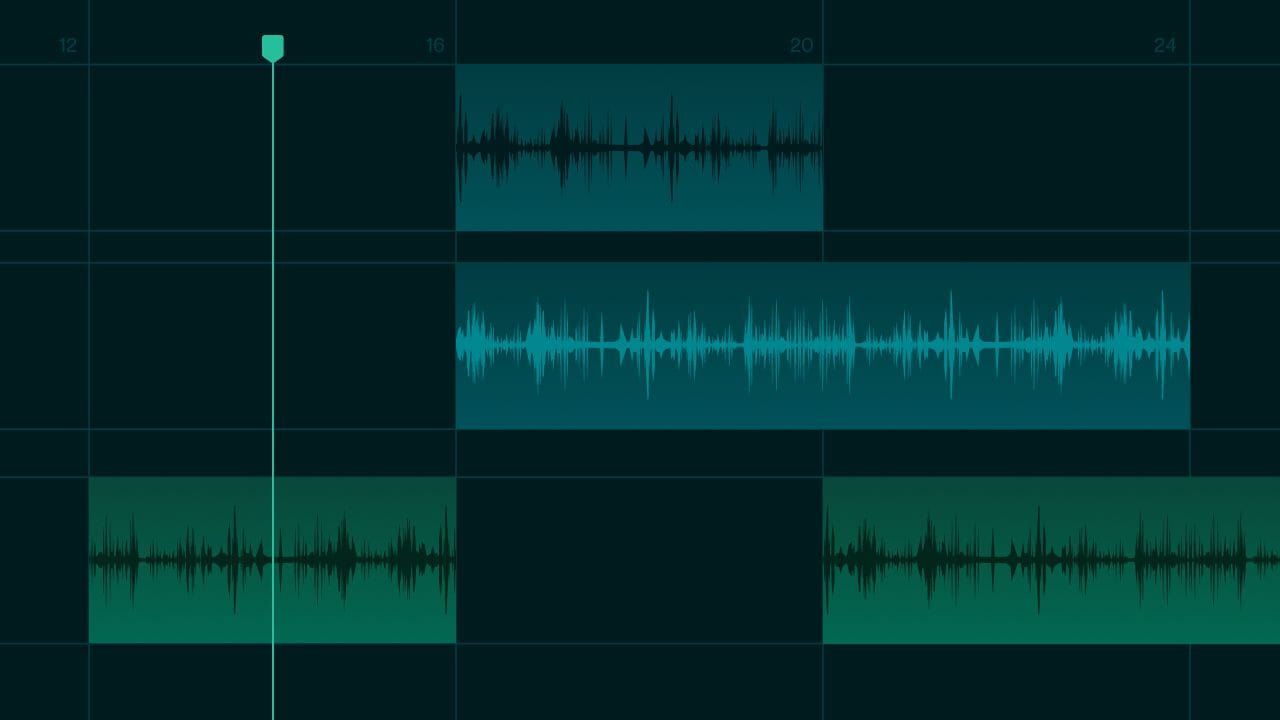
Armed with Moises’ stem separation, he uploads the track and instantly pulls it apart, isolating the drums, bassline, vocals, and even subtle ad-libs from nearly twenty years ago. “If I can separate the sounds from this… that’s mind-blowing,” he says, watching the stems appear in seconds.
Then the fun begins.
He strips away the kick, keeps the snare and hi-hat, and starts building from scratch, chopping OJ’s hook, layering new 808s, and experimenting with textures. “I ain’t never done this before,” he says, smiling as the new beat starts to form.
“The cool thing I like about Moises is the stem separation—you can take any song, any clip, and pull out the drums, the snare, the piano, whatever’s in there," Zaytoven says.
The result feels like vintage Zaytoven reimagined. The same trap bounce that made him famous, fused with new layers of precision and control.
What’s striking is how seamlessly he uses Moises within his process. He doesn’t treat it like a plugin or a shortcut; he treats it like a collaborator. “I don’t use it to make the beat for me,” he says. “I use it to spark creativity.”
Watching him work, you realize In the Lab isn’t your average beatmaking series. It’s a real-time look at how producers think, experiment, and evolve.
When Soul Meets Software: Zaytoven’s Creative Chemistry
Zaytoven calls it “a marriage…when your God-given gift meets technology.”
It’s a powerful statement because it bridges two worlds: the spiritual, emotional side of music, and the futuristic side of innovation. Zaytoven’s approach is proof that you don’t have to pick one or the other.
For him, Moises isn’t replacing creativity; it’s magnifying it. It gives him access to sounds he thought were lost forever.
“Some of these songs are so old, man. I don’t even have the same snare or kick anymore. Now, I can separate it, grab what I need, and build something new.”
This kind of flexibility represents a new era for producers, one where legacy and technology can coexist. You can sample yourself, evolve your sound, and experiment endlessly without starting from zero.
And even with all this innovation, Zay still brings it back to simplicity. “When I first started, I was doing too much,” he admits. “The trick is to leave space for the artist. Make it breathe.”
That’s wisdom every producer can feel.
The Culture Meets the Code: Why This Collab Hits Different
This collaboration isn’t just about content. It’s about culture.
Zaytoven represents the foundation of modern hip-hop production: the grit, the grind, the ear for detail. Moises represents the next frontier: accessible tools that make creativity faster, deeper, and more collaborative. Together, they show that the future of music isn’t man or machine. It’s man with machine.
Zaytoven’s episode proves that the best producers are always students. Even with Grammy recognition and decades in the game, he’s still experimenting, still learning, still finding new ways to flip his sound. That’s what makes In the Lab special. It’s not about getting it right. It’s about finding what feels right.
The New Era of Music Production is Here
Zaytoven proves that evolution doesn’t mean abandoning your roots; it means using new tools to dig deeper into them. He’s still the ‘Trap Father,’ still flipping samples, still cooking up heat that moves the culture. But now, he’s doing it with Moises.
That’s the heartbeat of In the Lab, a new Moises Originals series that takes you inside the creative process of world-class musicians and producers. Each episode explores how artists use Moises to bridge talent and technology, turning inspiration into innovation.